
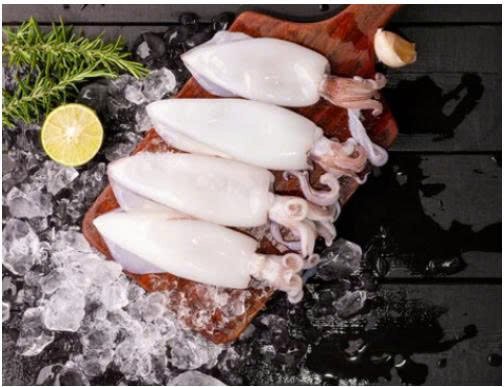
A pre-season survey by the Falkland Resources Agency estimated initial squid biomass at 17,508 tonnes, with a low confidence level of 14,049 tonnes. This level is still above the biosafety threshold of 10,000 tonnes, allowing for the opening of the fishing season.
However, this year’s early-season biomass is the third lowest in two decades, only slightly higher than 2008 and 2024 in terms of decline. Director of the Natural Resources Agency, James Wilson, argues that low biomass does not necessarily mean low catches, as Loligo squid may undergo multiple migrations during the season, significantly increasing the catch.
Actual results show that the vessels have harvested approximately 42,000 tons, providing a positive signal for the industry after several unproductive seasons. Authorities continue to closely monitor biomass fluctuations throughout the fishing season, as Loligo species have short life cycles and resources can vary significantly between years due to environmental factors.
The primary objective is to ensure a sufficient number of squid remain at the end of the season to breed for the following year, thereby maintaining the sustainability of the fishing industry.
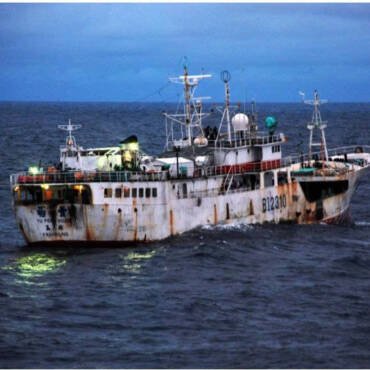
In 2026, 19 inspections of fishing vessels in the Falkland Islands uncovered 315 deficiencies, of which 75 are still being addressed. One vessel had to be sent to Montevideo for urgent repairs.
Add Comment