
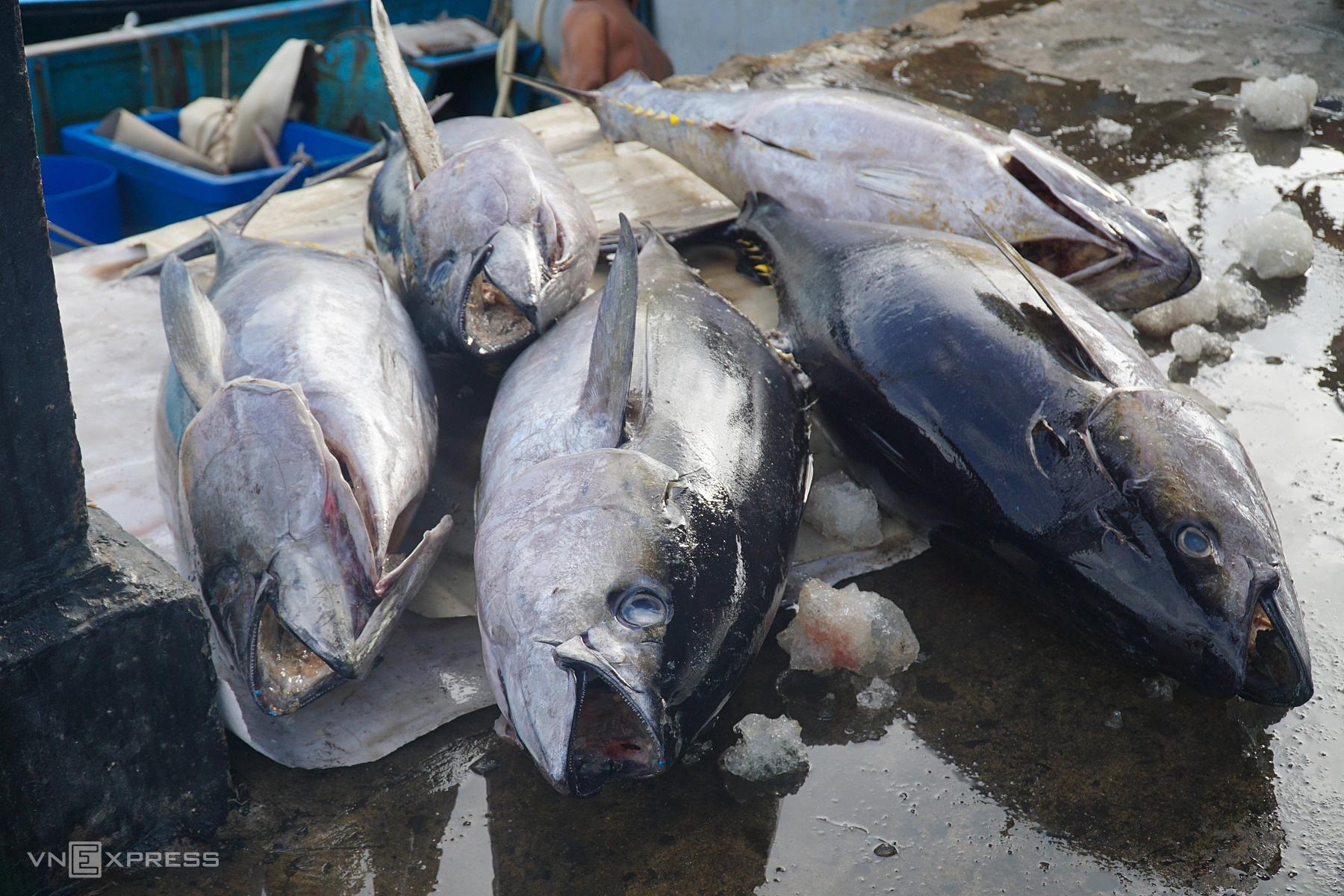
Seafood exports are expected to exceed $11.3 billion in 2025, surpassing the target, according to the Vietnam Association of Seafood Processing and Export (VASEP).
According to VASEP, this result marks a 13% increase in Vietnam’s seafood industry compared to 2024. Key products showed consistent growth, with shrimp still accounting for the largest share, bringing in $4.65 billion, a 20% increase compared to 2024. Exports of lobster alone more than doubled, reaching $817 million.
Pangasius ranked second with an export value of $2.19 billion, an 8% increase. Other marine fish groups achieved a turnover of $2.16 billion, a 12% increase, thanks to diversified markets. Conversely, tuna exports decreased due to prolonged raw material shortages and strict IUU (illegal fishing) regulations.
In 2025, seafood exports to the US are projected to reach nearly $1.9 billion, a mere 3% increase compared to 2024, due to uncertainties surrounding tariff policies and technical barriers. However, thanks to the Comprehensive and Progressive Trans-Pacific Partnership (CPTPP), China (including Hong Kong) and the EU have become key markets for this product.
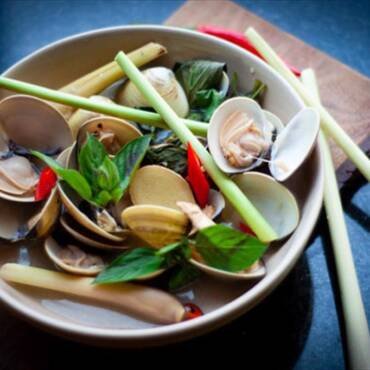
Exports to CPTPP and the EU both increased by double digits, exceeding $3 billion and $1.2 billion respectively. China (including Hong Kong) saw the strongest growth, reaching 29% and bringing in $2.45 billion. This market favors fresh lobster, crab, scallops, and clams.
According to VASEP, last year’s exports met their targets thanks to businesses’ flexibility, taking advantage of opportunities and market sentiment amidst many uncertainties. In addition, after a period of sharp declines and low prices, the market entered a phase of supply shortages, leading to a rebound in both prices and demand.
Forecasting the situation in 2026, the Association believes that the market will remain unstable and unpredictable. US tariff policies, trade restrictions, and technical barriers may continue to make exporters worldwide cautious and shift markets.
This trend creates immense competitive pressure in other markets such as the EU, China, ASEAN, and the Middle East. Furthermore, the IUU yellow card remains a bottleneck that needs to be addressed to further open the door to Western markets.
Regarding pangasius, recent analysis by Mirae Asset Securities expects consumption of this product to improve in the US and remain stable in China. Exports of pangasius to the EU and Brazil are projected to remain stable throughout 2026, but may face fierce competition as global exporters shift away from the US market.
Add Comment